
Your Child’s Myopia Follow-Up in Dahlonega: What to Track Between Visits
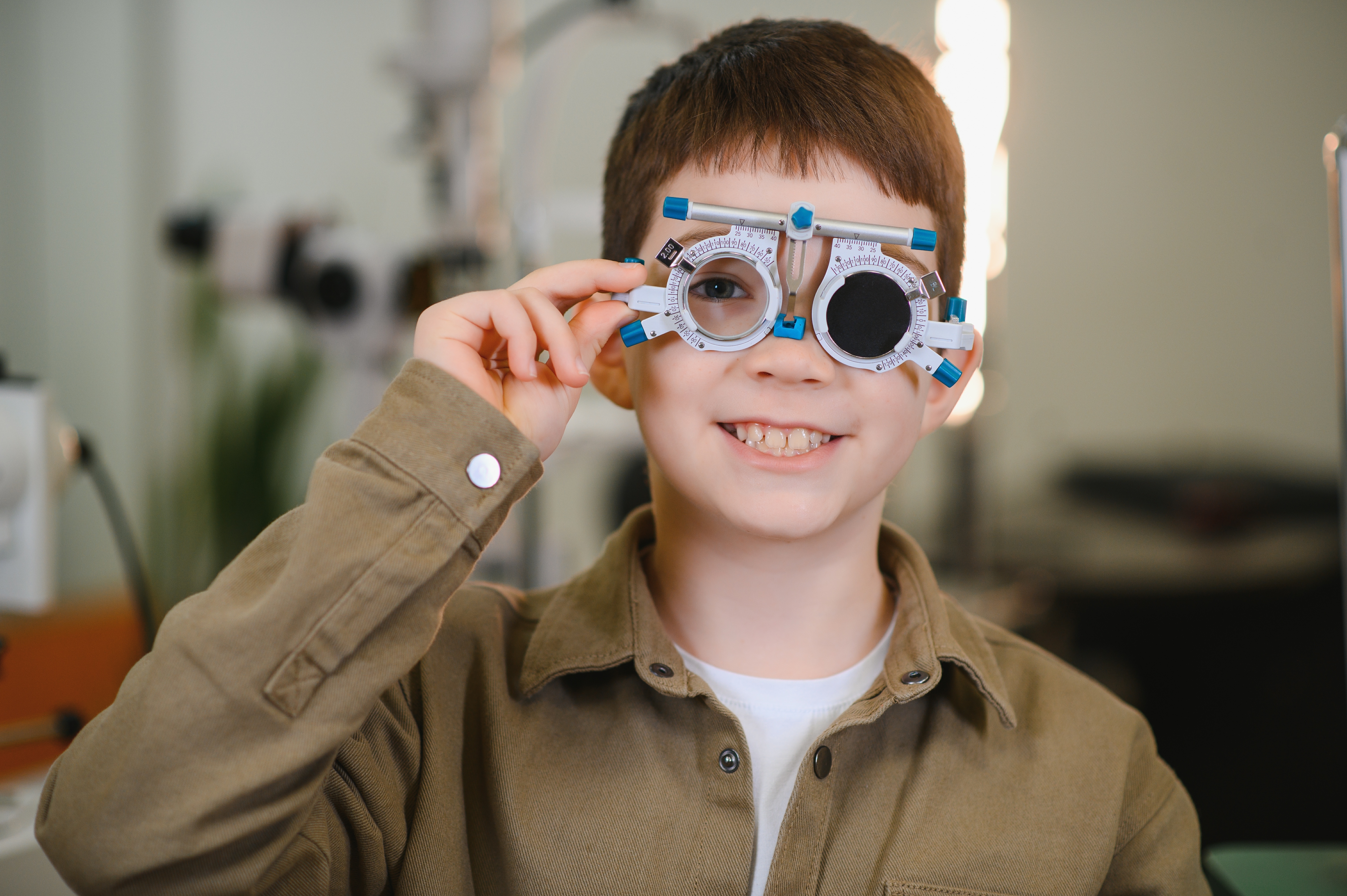
Myopia, or nearsightedness, often progresses as children grow, even when their glasses or contact lenses seem to be working well. If your child is receiving myopia management in Dahlonega, regular follow-up visits help us monitor changes and evaluate their treatment plan. What you notice between appointments can provide valuable information, too.
Why Myopia Follow-Up Visits Matter
A myopia follow-up involves more than checking whether your child can read an eye chart. We assess their vision, review prescription changes, and may measure eye growth when appropriate. Comparing findings over time helps us determine whether the current approach remains suitable. Because myopia management aims to slow progression rather than cure nearsightedness, consistent monitoring is important.
What to Track Between Appointments
You do not need to test your child's eyesight at home. Instead, keep brief notes about patterns in their daily routine. Here are some useful things to watch:
- Distance vision: Notice frequent squinting, moving closer to the TV, or difficulty seeing the board at school.
- School and activities: Record complaints about blurry distance vision during class, sports, or other activities.
- Glasses or contact lens wear: Note how consistently your child wears their prescribed correction and any fit or comfort concerns.
- Treatment routine: Track missed doses or skipped lens-wearing nights, depending on the myopia treatment prescribed.
- Near-work and outdoor habits: Make note of long stretches of reading or screen use, regular breaks, and time spent outdoors.
- Eye symptoms: Record recurring headaches, eye strain, redness, or discomfort, including when symptoms occur.
Keeping these notes simple makes them easier to maintain. A few observations on your phone are often enough to start a useful conversation at the next visit.
How to Support Your Child's Treatment Plan
At North Georgia Family Eye Care, we offer myopia management options such as MiSight contact lenses, Ortho-K, low-dose atropine, and specialized spectacle lenses. Each approach has its own instructions and follow-up needs. Encourage your child to follow the plan we prescribed, and contact us if the routine becomes difficult to maintain.
For children wearing contact lenses, proper hygiene is especially important. Never allow sleeping in lenses intended only for daytime wear, and keep all contact lenses away from water. Ortho-K lenses have specific overnight-wear instructions. Do not change the wearing schedule or treatment on your own.
What to Discuss at the Next Myopia Follow-Up
Bring your notes, your child's current glasses or prescribed contact lenses, and any questions about their treatment. Tell us about changes in distance vision, school performance, lens comfort, and adherence to their routine. We can review the results together and explain whether adjustments or additional monitoring are needed.
When to Contact Us Before the Next Visit
If your child develops persistent blurry vision or new discomfort, call before their scheduled appointment rather than waiting. Contact lens wearers with eye pain, redness, or vision changes should remove their lenses and seek prompt evaluation.
To keep your child's myopia management on track, schedule a follow-up with North Georgia Family Eye Care in Dahlonega, GA, by calling (706) 864-7007.
Quick Links
Helpful Articles

All Eye Care Services
Find personalized eye care excellence with our comprehensive services. From eye exams to advanced diagnostics, trust us for all your vision needs.

Keep In Touch
For non-urgent questions or to learn more about our services, contact us today!
© 2026 North Georgia Family Eye Care. All rights Reserved - Accessibility Statement - Privacy Policy - Sitemap
Managed and Designed by 